
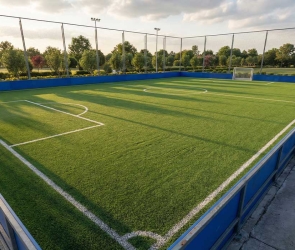
In urban environments where space is limited but the passion for football is limitless, cageball has emerged as one of the most dynamic and profitable sports concepts of the modern era. Fast-paced, compact, and highly social, cageball transforms small areas into vibrant football hubs that operate year-round.
If you are considering an investment in a compact sports facility, understanding cageball construction and choosing the right cageball builder is the foundation of long-term success. In this comprehensive guide, we explore everything you need to know about building a modular mini football field that attracts players, generates revenue, and stands out in a competitive market.
What Is Cageball?
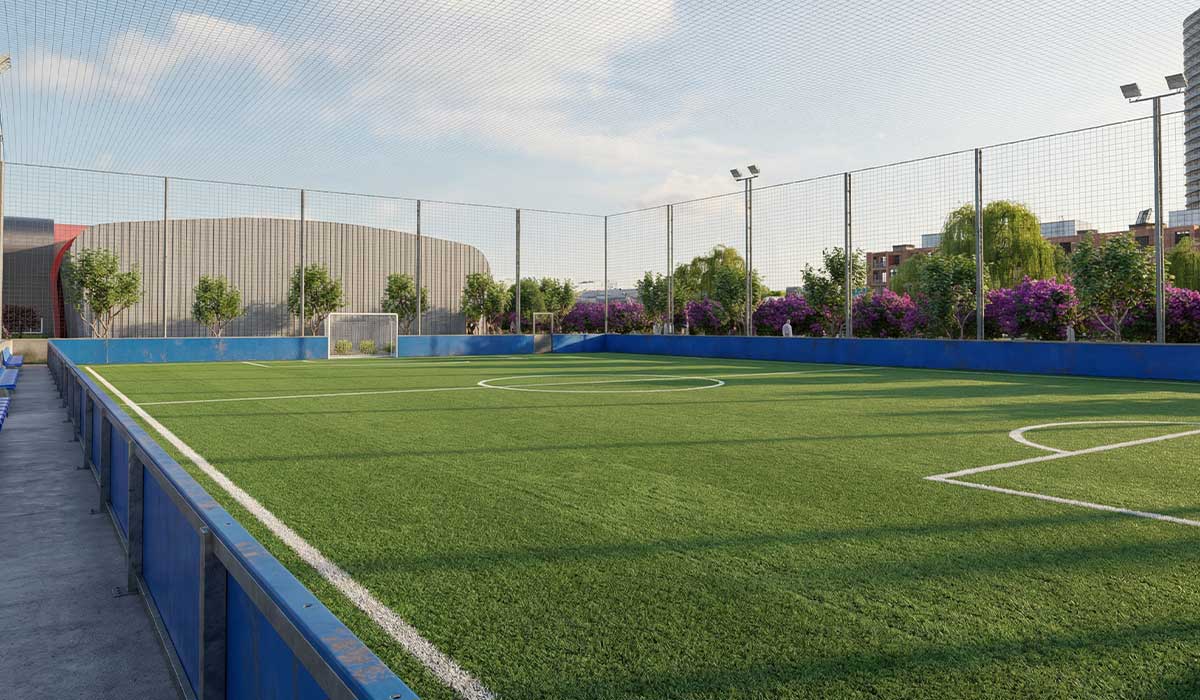
Cageball is a high-intensity mini football format played inside a fully enclosed steel or mesh cage. Unlike traditional football fields, cageball courts are smaller in size, typically ranging between 10x15 meters and 15x25 meters.
Why Is Cageball So Popular?
- Continuous gameplay without ball-out interruptions
- Faster pace and higher scoring excitement
- Social, community-driven atmosphere
- Ideal for urban and commercial spaces
- Lower land requirement compared to full-size pitches
Cageball combines football’s universal appeal with the efficiency of modular sports infrastructure.
Why Invest in a Cageball?
1. Maximum Profit from Minimum Space
A cageball (modular mini football field) allows investors to transform unused urban areas, rooftops, parking lots, hotel spaces, school yards, and commercial zones into revenue-generating sports facilities.
Because of its compact size, cageball courts:
- Require less land acquisition cost
- Have lower construction expenses
- Allow multiple fields within a single location
- Generate hourly rental income
For entrepreneurs, municipalities, schools, and sports facility operators, cageball offers one of the highest return-on-investment sports concepts available today.
2. Year-Round Operation
Modern cageball construction includes:
- High-quality artificial turf systems
- UV-resistant materials
- Galvanized and powder-coated steel frames
- Optional roofing systems
- LED lighting infrastructure
This ensures durability against heavy usage and varying weather conditions. With proper engineering, a cageball field can operate 365 days a year with minimal maintenance downtime.
Cageball Construction: What Should Be Considered?
Successful cageball construction goes far beyond assembling a metal cage and installing turf. Professional planning determines performance, safety, and long-term durability.
1. Ground Preparation & Infrastructure
Before installation begins, the sub-base must be properly prepared. Depending on the site, this may include:
- Concrete slab foundation
- Compacted crushed stone base
- Drainage system integration
- Shock-absorbing underlayers
Proper ground preparation prevents surface deformation and extends the lifespan of the modular mini football field.
2. Steel Structure Engineering
The cage is the heart of the system. A professional cageball builder will design:
- Heavy-duty galvanized steel framework
- Impact-resistant mesh panels
- Reinforced corner joints
- Anti-corrosion coating systems
Engineering calculations for wind load and impact resistance are critical, especially for rooftop or open-area installations.
3. Artificial Turf Selection
The playing surface defines the user experience. Premium turf systems used in cageball construction typically include:
- High-density polyethylene fibers
- UV stabilization
- Optimal pile height for ball control
- Shock-absorbing performance
Correct turf selection ensures:
- Controlled ball rebound
- Reduced injury risk
- Comfortable traction
- Long-term aesthetic durability
4. Lighting & Electrical Systems
Professional cageball facilities operate beyond daylight hours. Integrated LED lighting systems provide:
- Even light distribution
- Low energy consumption
- Long operational lifespan
- Professional playing visibility
Well-designed lighting enhances both performance and visual appeal, especially for commercial facilities.
The Role of a Professional Cageball Builder
Choosing the right cageball builder is the most important decision in your project.
What Makes a Reliable Cageball Builder?
A professional builder provides:
- Engineering drawings and 3D visualization
- Custom sizing options
- Wind-load and safety calculations
- Turnkey installation services
- After-sales support
Instead of standard, off-the-shelf systems, an experienced cageball builder tailors each modular mini football field to match site conditions, user capacity, and business goals.
Modular Design Advantages
One of the strongest advantages of cageball is its modular structure.
Why Modular Matters
- Easy transportation
- Fast installation
- Expandable layouts
- Relocatable systems
- Low civil construction dependency
If business needs change, modular cageball courts can be expanded, modified, or relocated—making them a flexible long-term investment.
Who Should Build a Cageball Facility?
Cageball is not limited to professional clubs. The concept fits various sectors:
Schools & Universities
Compact football areas increase student engagement and sports participation.
Municipalities
Urban regeneration projects benefit from small-scale, high-impact sports zones.
Hotels & Resorts
A modular mini football field adds recreational value and attracts active guests.
Commercial Investors
Hourly rentals, leagues, tournaments, and youth academies create sustainable income streams.
Designing a Profitable Cageball Facility
Beyond construction, profitability depends on smart planning.
Key Revenue Drivers
- Multiple courts in one facility
- Membership models
- Corporate tournaments
- Youth training programs
- Night leagues under LED lighting
A professionally executed cageball construction project creates not only a sports field but a social hub that builds community and repeat usage.
Safety & Compliance
Safety is non-negotiable. A certified cageball builder ensures:
- Rounded corner systems
- Secure net tensioning
- Anti-slip turf
- Stable anchoring systems
- International safety compliance
High-quality construction protects players and strengthens your facility’s reputation.
The Future of Urban Football
As cities grow denser and land becomes more expensive, compact and modular solutions dominate sports infrastructure trends. Cageball aligns perfectly with this transformation.
It represents:
- Efficient land usage
- Scalable sports investment
- Community-driven recreation
- Sustainable facility development
With the right cageball builder and strategic cageball construction planning, a modular mini football field can become the centerpiece of a modern urban sports ecosystem.
Turning Space into Opportunity
Cageball is more than a small football pitch—it is a high-energy, revenue-generating sports solution designed for the realities of today’s urban environments.
Whether you are a municipality revitalizing a neighborhood, a hotel seeking differentiation, or an investor exploring new sports concepts, cageball construction offers scalability, durability, and profitability.
Choosing an experienced cageball builder ensures that your modular mini football field is not just built—but engineered for long-term performance and financial success.